
Taxonomy-Based vs Objective-Centric: Which Approach Delivers Better Risk Management?

Governance, Risk, and Compliance (GRC) platforms play a critical role in helping organisations manage risks, meet regulatory obligations, and align operations with corporate goals. In many organisations, GRC also supports broader Enterprise Risk Management (ERM) initiatives by providing structured oversight of risks across the organisation.
Two common methodologies underpin modern GRC platforms: taxonomy-based frameworks and objective-centric approaches. Understanding the difference between these models can help organisations choose a GRC solution that truly supports strategic decision-making.
In this article, we explore how taxonomy-based GRC platforms work, why objective-centric risk management is international best practice and gaining traction, and how modern solutions are evolving to support more strategic governance. To understand how these approaches fit into the broader framework of governance, risk, and compliance, read our guide on what is GRC and why it matters for organisations.
What Is a Taxonomy-Based GRC Software?
A taxonomy-based GRC solution organises risks according to predefined categories or classifications. These categories may include areas such as:
- Operational risks
- Financial risks
- Compliance risks
- Cybersecurity risks
In this model, organisations identify risks by utilising predefined risk categories. The taxonomy acts as a framework for organising risk information across the organisation, helping teams manage risks across areas such as operations management, finance, and compliance.
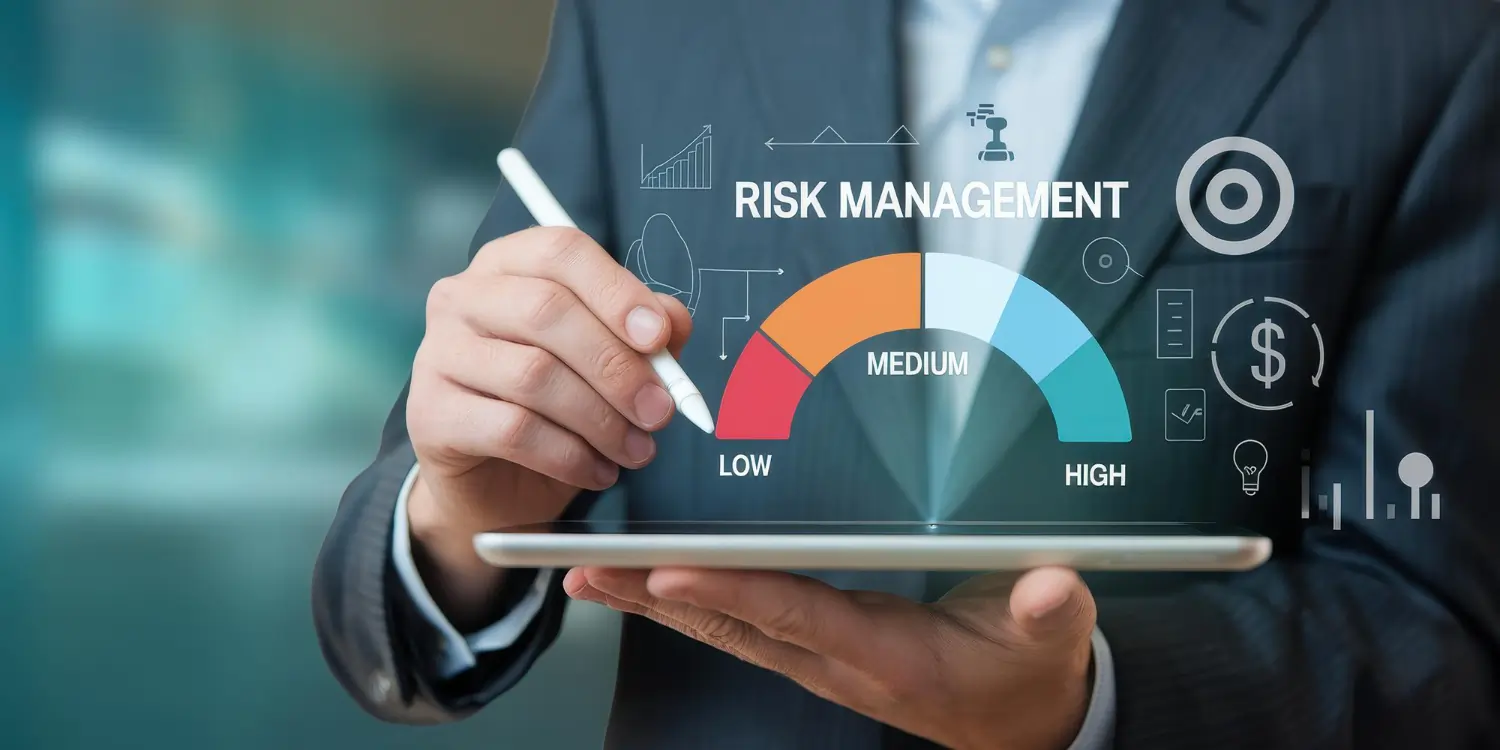
Advantages of Taxonomy-Based GRC Platforms
Taxonomy-based systems can provide several benefits:
- Standardised risk classification
Risk categories make it easier to standardise risk reporting across departments. - Consistent terminology
A common risk taxonomy ensures teams use the same definitions when identifying risks. - Regulatory alignment
Many operational risk and compliance frameworks and regulatory reporting structures rely on taxonomyrisk reporting.
Because of these benefits, taxonomy-based platforms are often used in compliance-driven environments where fixed and standardised operational risk and compliance reporting is essential.
Limitations of Taxonomy-Based Risk Management
While taxonomy-based frameworks provide structure, they tend to be inflexible, do not reflect real risks, changes in the environment, and how risks impact organisational objectives. In many cases, teams begin by asking: “What risks exist within this definition?” Rather than asking: “What could prevent us from achieving our objectives?”
This categorisation-first approach can make it harder to clearly understand how risks affect strategy, performance, or long-term outcomes. As organisations become more complex and digital transformation accelerates, many risk professionals are shifting toward a more dynamic and strategically aligned approach to GRC.

What Is an Objective-
What Is an Objective-Centric GRC Approach?
An objective-centric GRC software identifies and manages risks based on organisational goals rather than predefined risk categories. Instead of starting with pre-set risk definitions and classifications, organisations begin with their objectives. Risks are then identified based on what could prevent those organisational objectives from being achieved.
Key Characteristics of Objective-Centric GRC
Objective-centric platforms focus on:
- Direct alignment with strategy: Risks are linked directly to business objectives, making their impacts easier to understand.
- Clearer decision-making insights: Leadership can quickly see how risks influence strategic priorities.
- Improved organisational visibility: Risk reporting becomes more meaningful because it shows how risks affect outcomes rather than just static definitions and categories.
This approach allows risk management to move beyond compliance and play a direct role in strategic decision-making.
How Horus GRC Supports Modern Governance and Risk Management
Modern organisations operate in environments shaped by digital disruption, complex regulations, and emerging risks such as artificial intelligence and cybersecurity threats. In these dynamic environments, leaders need more than static risk lists or category reports. They need insights that connect risk management to strategic performance.
Objective-centric GRC frameworks help organisations:
- Understand how risks influence strategic goals
- Prioritise risk mitigation based on organisational impact
- Strengthen governance oversight across departments
- Improve communication between leadership and risk teams
By focusing on objectives rather than classifications, organisations gain greater clarity on what truly matters.

How Horus GRC Supports Modern
Taxonomy-Based GRC vs Objective-Centric GRC Comparison
Approach | Focus | Risk Identification | Strategic Alignment |
Taxonomy-Based GRC | Risk categories | Risks identified within predefined classifications | None |
Objective-Centric GRC | Organisational objectives | Risks identified based on what could impact objectives | Direct |
How Technology Supports Objective-Centric GRC
Modern GRC software platforms are increasingly designed to support objective-driven risk management frameworks. These systems allow organizations to:
- Map risks directly to organisational goals
- Visualise risk impact across strategic objectives
- Automate risk reporting and monitoring
- Improve transparency for leadership and stakeholders
- Consider the effect of velocity on risk probability and impact
When technology supports objective-centric governance, enterprise risk management becomes more scalable, more insightful, and more actionable.
How Technology Supports Objective-Centric GRC
Choosing the right GRC platform is not just about managing compliance requirements. It is about enabling better strategic oversight and informed decision-making. While taxonomy-based frameworks provide some structure, objective-centric GRC software offer a clearer connection between risk management and organisational performance. As organisations face increasingly complex risk landscapes, adopting a more objective-driven approach may be key to building resilience, improving governance and compliance, and supporting long-term strategic success.
Explore Horus GRC to see how objective-centric risk management can strengthen governance, improve visibility, and align risks directly with organisational objectives.

Trias GRC is a governance, risk, and compliance software company behind Horus a practitioner-designed GRC platform aligned with ISO 31000 and COSO ERM 2017. We help organisations link risk directly to their objectives, replacing manual spreadsheets with a unified, user-configurable GRC system
Contact
TriasGRC 2026. All Rights Reserved.